HealthFeatured
Dementia Explained — and What the WHO Just Said
A plain-language guide to what dementia actually is, followed by an explanation of the World Health Organization's updated 2026 prevention guidelines.
Vivek ChaudharyJuly 21, 2026
A multi-category news and explainer hub for timely stories, practical guides, and deep dives.
A plain-language guide to what dementia actually is, followed by an explanation of the World Health Organization's updated 2026 prevention guidelines.
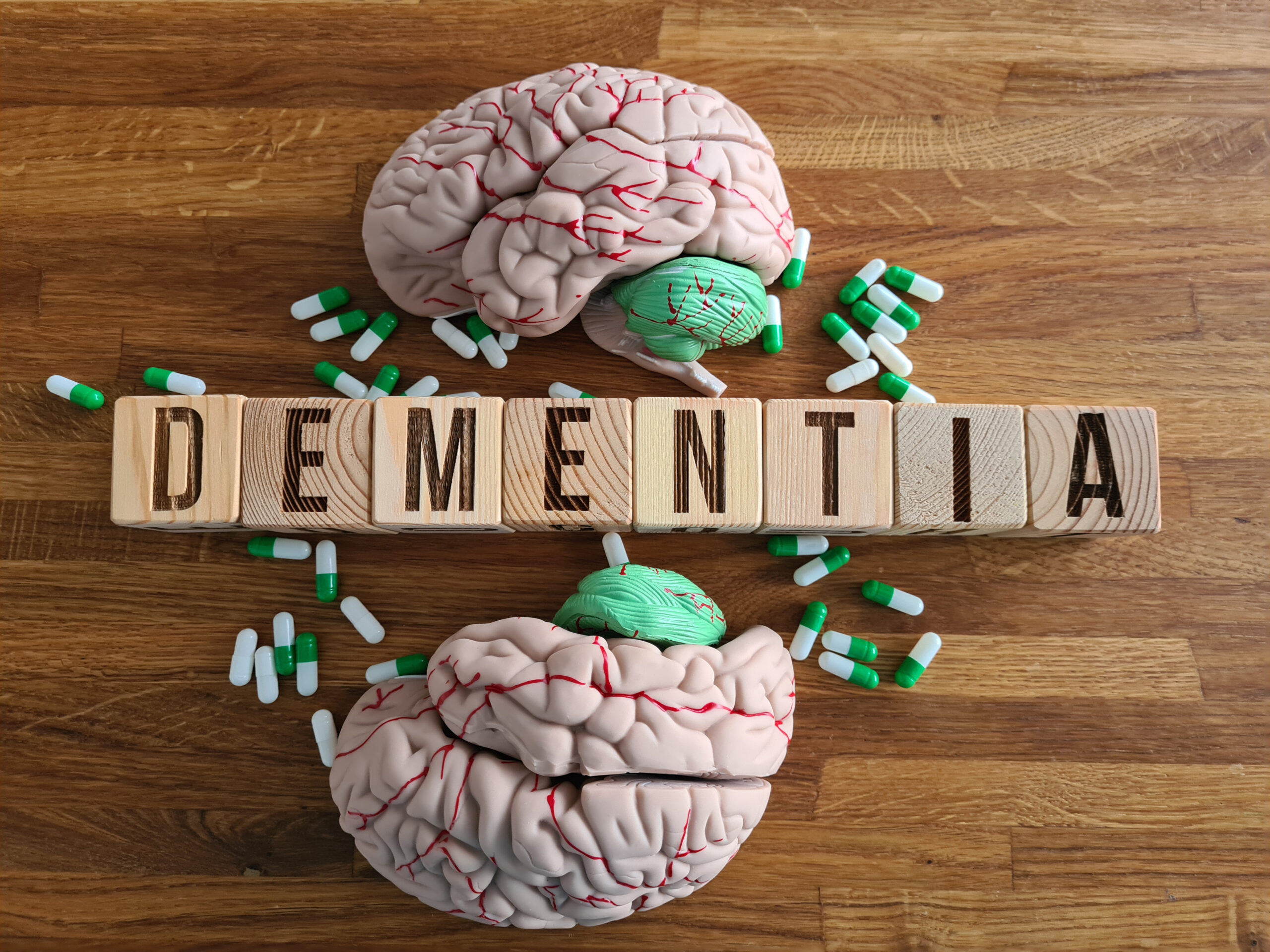
Dementia isn't a single disease. It's an umbrella term for a group of symptoms caused by different brain diseases that damage or destroy nerve cells over time. The result is a decline in mental abilities — memory, thinking, reasoning, language, and judgment — severe enough to interfere with everyday life.
That last part matters: normal age-related forgetfulness, like blanking on a name or misplacing keys, is not dementia. Dementia is when the decline is progressive and disrupts a person's ability to function independently.
A few key things to understand:
It's caused by underlying diseases. Alzheimer's disease is by far the most common cause, responsible for an estimated 60–70% of cases. Others include vascular dementia (from strokes or reduced blood flow to the brain), Lewy body dementia, and frontotemporal dementia. Each damages the brain in a somewhat different way and pattern.
It's progressive and, at present, incurable. Symptoms typically start subtly and worsen over years. Early on it might be trouble remembering recent conversations; later it can affect movement, recognition of loved ones, and basic self-care. There are treatments that can ease symptoms or, in some newer cases, modestly slow progression, but nothing yet reverses it.
It's common and growing. More than 57 million people live with dementia worldwide, and nearly 10 million new cases are diagnosed each year — a number rising as populations age, especially in low- and middle-income countries. It's now among the leading causes of death and disability in older adults globally.
The disease process also begins long before symptoms appear — often in midlife — which becomes important for the WHO's argument about prevention.
On July 15, 2026, the World Health Organization released updated guidelines on reducing the risk of cognitive decline and dementia — its first major revision since 2019.
The headline claim. While there's no cure, up to 45% of dementia risk worldwide can be attributed to modifiable risk factors — things individuals or societies can change. That figure originates from the 2024 Lancet Commission on dementia and is now built into official WHO policy. It's a population-level estimate of theoretical potential, not a guarantee for any one person, but it reframes dementia as something substantially shaped by lifestyle and environment rather than purely by fate or genes.
What's new in this edition. The 2019 guidelines listed 12 modifiable factors — things like physical activity, smoking, diet, alcohol, high blood pressure, diabetes, hearing loss, and staying mentally and socially active. The 2026 update adds eight more, reflecting stronger evidence: sleep, HIV, air pollution, traumatic brain injury, vision impairment, menopause, stroke, and multidomain interventions (tackling several risks at once). The single most notable addition is air pollution — the first time the WHO has formally treated dirty air as a brain-health issue, which shifts part of the responsibility onto governments rather than individuals alone.
What the WHO says to avoid. Notably, it advises against taking supplements — vitamin B, vitamin E, omega-3, or multivitamins — purely to prevent dementia, unless you have a diagnosed deficiency. The evidence simply doesn't support them for this purpose.
The underlying message. Protecting brain health is a lifelong effort that works best when started early, and a meaningful share of the global dementia burden is a collective problem needing collective solutions — clean air, accessible hearing and vision care, and community programs for exercise and social connection.
Note: This is a plain-language explainer, not medical advice. Dementia risk is influenced by many factors, including some outside individual control, and the "up to 45%" figure is a population-level estimate, not an individual guarantee. Anyone concerned about cognitive health or considering changes to medication or supplements should consult a qualified clinician.
No tags added yet.